Jehad Middle East insight for the Arabic-speaking diaspora

Jehad

Middle East insight for the Arabic-speaking diaspora

Latest Articles

The Volume Knob as a Political Document: On Al Jazeera, Push Alerts, and the Granddaughter Who Looked Up
Politics

The Volume Knob as a Political Document: On Al Jazeera, Push Alerts, and the Granddaughter Who Looked Up

Three generations, three screens, three entirely different nervous systems. A first-person argument that the real divide in Arab American homes is not left versus right but loud versus silent — and that attention, not ideology, is what we should be arguing about.
Three Brides, One Gown: Inside the Quiet Economy of Arab America's Recycled Weddings
Culture

Three Brides, One Gown: Inside the Quiet Economy of Arab America's Recycled Weddings

From Dearborn Facebook groups to Paterson consignment racks, designer gowns are changing hands at a pace that would have scandalized a previous generation. What the resale market reveals about money, marriage, and the shifting arithmetic of the Arab American wedding.

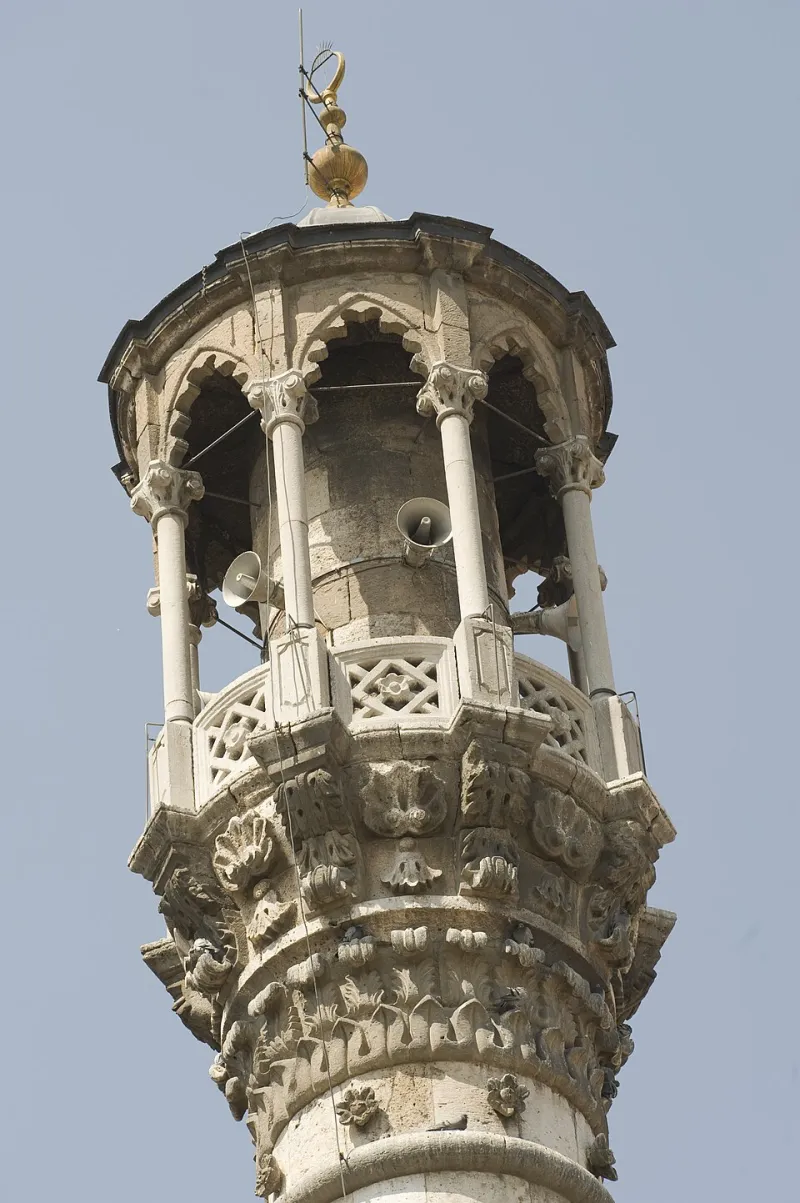
Decibels and Democracy: Five American Town Halls That Debated the Call to Prayer
Politics

Decibels and Democracy: Five American Town Halls That Debated the Call to Prayer

When Muslim communities asked to broadcast the azan, they ran headlong into zoning boards, noise ordinances, and century-old assumptions about what an American soundscape should contain. Five cities, five outcomes — and a map of how religious accommodation actually gets negotiated at the local level.

Laughing Past the Checkpoint: Inside the Clubs Where Arab America Rehearses Its Politics
Culture

Laughing Past the Checkpoint: Inside the Clubs Where Arab America Rehearses Its Politics

In basement venues from Dearborn to Hollywood, second-generation stand-ups are turning security lines, matchmaking aunts, and cable-news stereotypes into tight five-minute sets. Comedy, it turns out, is saying what the op-ed page still won't — and the community is arguing about where the punchline ends.

Half-Sentences in Two Languages: What Gets Said in the Chair That Never Reaches the Papers
Politics

Half-Sentences in Two Languages: What Gets Said in the Chair That Never Reaches the Papers

In Paterson, Anaheim, and Dearborn, the barbershop remains the diaspora's most candid political forum. Between fade cuts and small talk, customers work through elections, wars, and identity in ways the ballot box and the op-ed page never capture.

Ghusl at Closing Time: The Funeral Directors Who Translate Grief Between Two Worlds
Culture

Ghusl at Closing Time: The Funeral Directors Who Translate Grief Between Two Worlds

In mortuaries from Dearborn to Anaheim, a quiet profession has become the custodian of a language most American institutions never learned. How Arab American funeral homes negotiate cemetery law, work schedules, and the grammar of mourning.

Three Minutes at the Microphone: How Dearborn's Poets Are Rewriting the Middle East Debate
Culture

Three Minutes at the Microphone: How Dearborn's Poets Are Rewriting the Middle East Debate

In a converted warehouse off Michigan Avenue, young Arab American poets are translating cable news catastrophes into verse that lands harder than any Sunday panel. We followed three of them across three cities to understand why the most honest commentary on the region is happening at open mics, not on television.

The Suitcase That Changed Hands Four Times: How Arab America Built an Economy Out of Trust
Culture

The Suitcase That Changed Hands Four Times: How Arab America Built an Economy Out of Trust

Long before the price tags, there were the WhatsApp groups. Inside the Arabic-language resale networks of America — mosque parking lots, Facebook Marketplace threads, and the quiet economics of buying a wedding dress from someone's aunt.

Between the Hummus and the Headlines: What an American Menu Won't Say Out Loud
Politics

Between the Hummus and the Headlines: What an American Menu Won't Say Out Loud

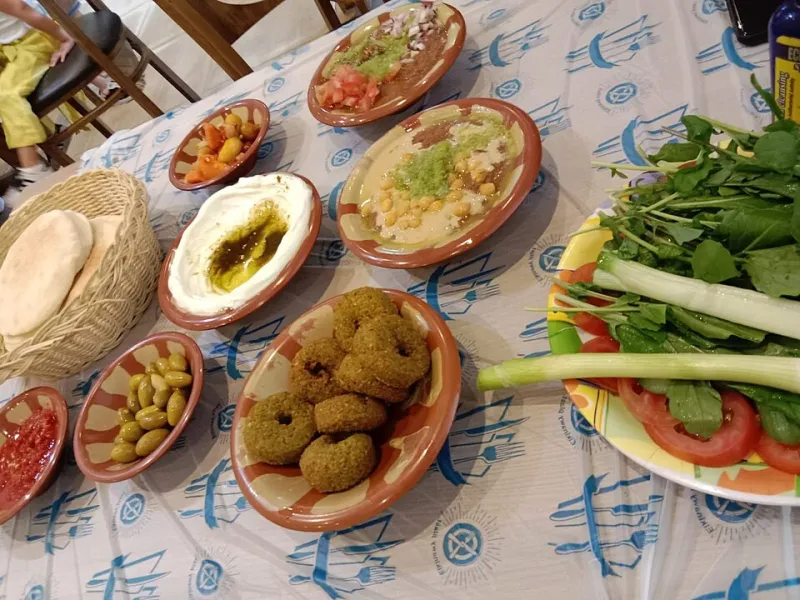
In Dearborn, Bay Ridge, and San Diego, the owners of Arabic restaurants make a hundred quiet political decisions before the first plate leaves the kitchen. A menu, it turns out, is also a foreign policy document.

Marginalia and Exile: What the Shelves of America's Arabic Bookshops Are Trying to Tell Us
Culture

Marginalia and Exile: What the Shelves of America's Arabic Bookshops Are Trying to Tell Us

In Dearborn and Bay Ridge, a handful of second-hand Arabic bookstores are quietly becoming the diaspora's unofficial archives. Every inscription, dog-eared page, and estate-sale crate carries a story about how a literary tradition survives when its readers scatter.

The Whistle Blows in Two Languages: A Season on the Sidelines With America's Arab American Youth Soccer Referees
Culture

The Whistle Blows in Two Languages: A Season on the Sidelines With America's Arab American Youth Soccer Referees

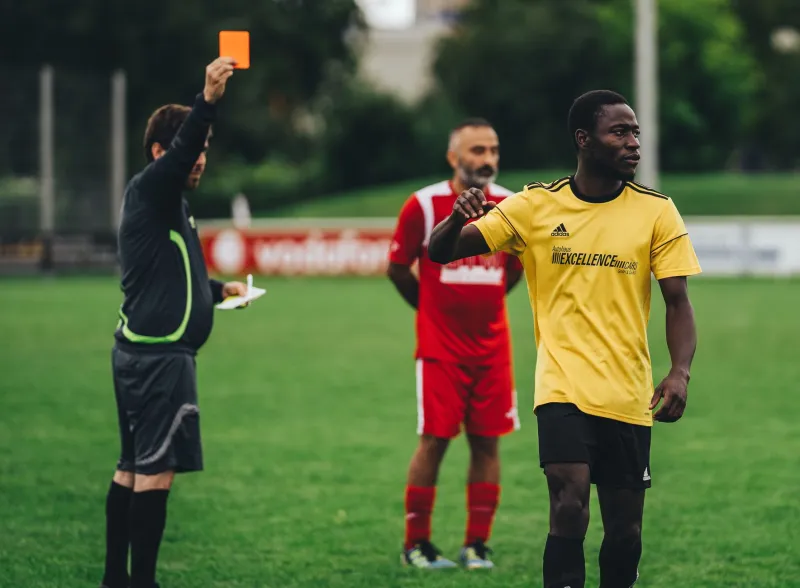
Youth soccer in New Jersey and Michigan has quietly become the first arena where immigrant families negotiate belonging. From hijab rulings to snack bar diplomacy, the sideline tells a story the box scores never will.

Exit 27 to Damascus: Driving the American Map in Search of Home
Culture

Exit 27 to Damascus: Driving the American Map in Search of Home

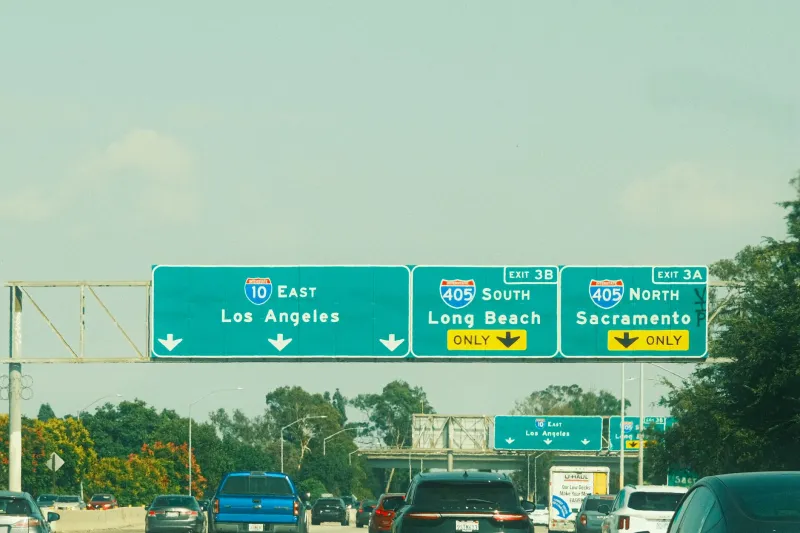
From a Damascus, Virginia to a Cairo, Nebraska, the names of Arab cities dot the American landscape in ways most residents never suspect. Jehad traces the map lines, the immigrant histories, and the quiet jolt of seeing home on a green highway sign.

The Auction Block and the Embroidered Dress: Sorting a First-Generation Life in America
Culture

The Auction Block and the Embroidered Dress: Sorting a First-Generation Life in America

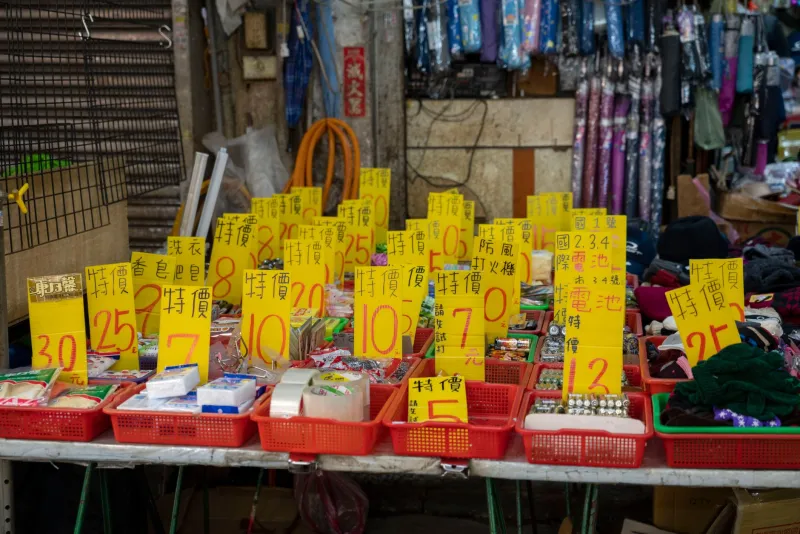
When an Arab American family finally empties the house, the estate sale becomes an involuntary archive sale. What volunteers to be priced at five dollars — and what the children quietly smuggle back inside — tells us more about assimilation than any survey.

After the Ballots Are Counted: The Second Life of the Mosque Basement
Politics

After the Ballots Are Counted: The Second Life of the Mosque Basement

When campaign season ends, the folding tables come down but the spaces that hosted candidate forums and voter registration drives do not close. Between elections, these rooms quietly become the civic infrastructure no one campaigns on.

One Block, Three Flags, One Ballot Box: The Quiet Politics of America's Immigrant Main Streets
Politics

One Block, Three Flags, One Ballot Box: The Quiet Politics of America's Immigrant Main Streets

A single stretch of storefronts in Dearborn, Bay Ridge, or Anaheim can hold a butcher, a bakery, a phone shop, and a prayer space — and, increasingly, the deciding votes in a city council race. This is how one block becomes a map of the Middle East, and a school board's worst math problem.

The One Who Reads the Letters: On Being a Family's Unofficial Translator
Culture

The One Who Reads the Letters: On Being a Family's Unofficial Translator

Every immigrant household seems to have one: the child, cousin, or niece who deciphers hospital paperwork, IRS notices, and school district mail. This essay considers what that quiet labor costs — and what it says about a country that still expects families to do the work of the state.

Twenty Minutes, Two Languages, One Congregation: Inside the Remaking of the American Khutbah
Culture

Twenty Minutes, Two Languages, One Congregation: Inside the Remaking of the American Khutbah

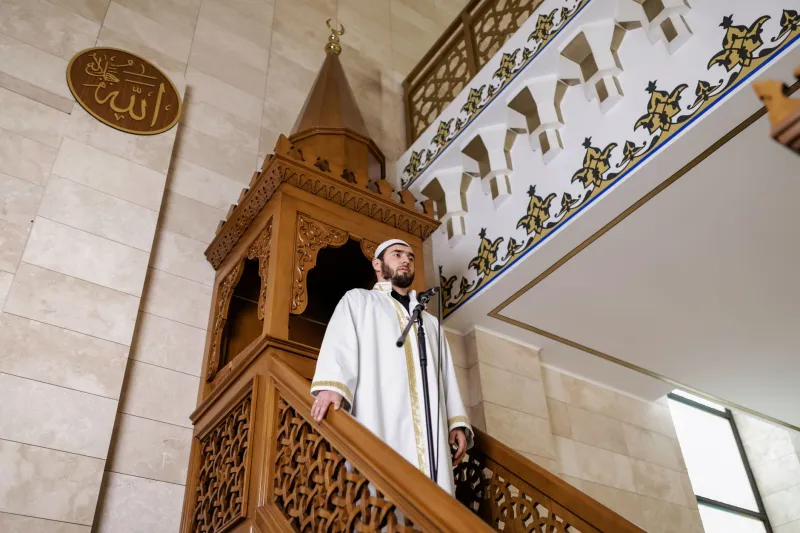
A generation of US-raised imams is quietly transforming the Friday sermon—trading imported rhetoric for conversations about student debt, loneliness, and the loneliness of translation. From Chicago's suburbs to Virginia's mosque corridors, the khutbah is becoming the place where immigrant parents and their American children finally hear each other.

The Twelve-Year-Old at the Front Desk: What My Parents' Paperwork Taught Me About Power
Culture

The Twelve-Year-Old at the Front Desk: What My Parents' Paperwork Taught Me About Power

Long before we could drive, many of us in the diaspora were already translating for banks, clinics, and government offices. This first-person reflection considers what that quiet role reversal teaches second-generation Arab Americans about obligation, dignity, and the adults they eventually become.

Between Gates B14 and C2: How America's Airports Learned to Make Room for Prayer
Culture

Between Gates B14 and C2: How America's Airports Learned to Make Room for Prayer

From a repurposed lounge at JFK to a purpose-built meditation room in Houston, America's airports have quietly negotiated the logistics of faith. What these transit spaces reveal about the diaspora's place in American public life.

When the News Breaks, America Dials the Arabic Teacher
Culture

When the News Breaks, America Dials the Arabic Teacher

In swing states from Ohio to Michigan, community college instructors and mosque volunteers have become the country's unofficial interpreters of the Middle East. What their sudden prominence says about how America understands — and misunderstands — the region.