After the Ballots Are Counted: The Second Life of the Mosque Basement
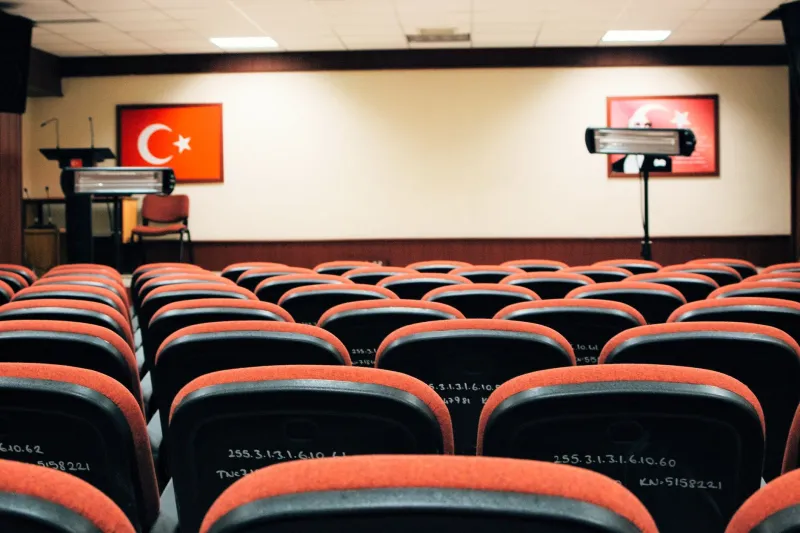
In early November of a presidential year, the rented storefront in Dearborn that had been a campaign office for six weeks is empty by the second week of the month. The yard signs are gone. The clipboards of voter pledges have been turned in. But walk two blocks east, to the mosque on the corner, and go down the stairs into the basement, and the room is still full.
This is the part of Arab American civic life that never makes the evening news, because it happens precisely when the news cameras have packed up and left. The election is over. The candidates have stopped calling. And yet, on a Tuesday night, forty people are in that basement learning Arabic grammar, while a mental health support circle meets in the adjacent room, and someone is negotiating the rental fee for a cousin's wedding in June.
The Space That Outlives the Campaign
Political scientists have a term for the period between elections: the inter-election period, as if nothing of consequence occurs there. Anyone who has spent time in an American mosque, church hall, or community center knows this is backwards. The election cycle is, in a real sense, the interruption. The permanent work happens in between.
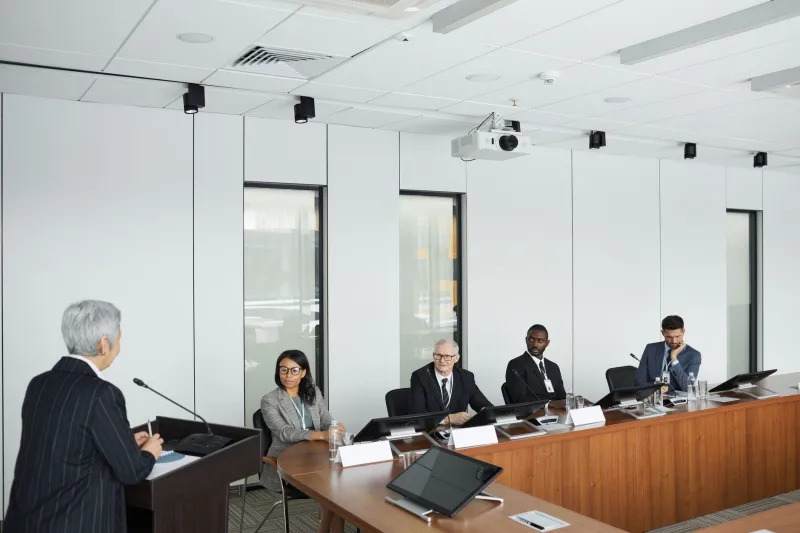
Consider the lifecycle of a typical mosque basement in a city like Dearborn, Paterson, or Bridgeview. In October, it hosts a candidate forum where a congressional hopeful fields questions about healthcare and foreign policy. In November, it runs a nonpartisan voter drive. In December, the same room becomes a winter coat distribution center. By February, it is an after-school homework club. In spring, it hosts a workshop on navigating the naturalization process, taught by a volunteer immigration attorney who drives in from the suburbs.
The folding tables do not care what they are being used for. This flexibility is not an accident. It is the entire point.
What the Off-Years Actually Produce
The conventional wisdom holds that civic engagement spikes during elections and recedes afterward. Measured by voter turnout, this is true. Measured by almost anything else, it is not.
It is in the off-years that the unglamorous infrastructure of belonging gets built: the Arabic literacy classes for teenagers who grew up hearing the language but never reading it, the grief support groups that meet after the Friday prayer, the financial literacy workshops for newly arrived families learning how American credit works. None of this registers as political activity. All of it is.
A teenager who attends an Arabic literacy class in a mosque basement on Wednesday nights is, three years later, the person who translates a school board meeting for her grandmother. A family that attended a know-your-rights workshop is the family that shows up at a zoning hearing. The chain of cause and effect is long, invisible, and impossible to fund through a campaign finance report.
This is why the off-years matter more than the election years, not less. Elections extract commitments from communities. The years in between are when communities decide whether those commitments meant anything.
The Wedding as a Political Act
There is a temptation to draw a clean line between politics and everything else, and the community center refuses to respect it. The same hall that hosted a school board candidate forum on Saturday hosts a wedding on Sunday. The wedding books the hall again for an engagement party. The family that booked it now has a relationship with the institution, and institutions run on relationships.
Sociologists who study immigrant civic life have long noted that the strongest predictor of political participation is not income, education, or even length of time in the country. It is membership in something, a congregation, an association, a regular gathering with a regular group of people. The mosque basement is where that membership is manufactured, one Tuesday night at a time.
This is not unique to Arab America. It is how Black churches built political power in the American South, how union halls organized the industrial Midwest, how synagogues anchored Jewish civic life in the last century. The pattern is old. The specific rooms are new.
Nobody Is Asking for Votes
The most distinctive feature of the off-year community center is that no one in the room wants anything from anyone. There is no ask. There is no pledge card. There is a volunteer named Umm Salam who has been running the children's program for eleven years and does not own a single piece of campaign merchandise.
This absence of transaction is what makes the space trustworthy, and trustworthiness is the currency that gets spent, briefly and imperfectly, every election season. When a candidate comes to the mosque in October asking for support, the community's ability to listen, evaluate, and respond, rather than simply being ignored or manipulated, is a direct product of the work done in the months when nobody was paying attention.
The Quiet Argument
There is a lesson here for anyone who studies American political life, and especially for the community itself. The institutions that endure are not the ones built for the campaign. They are the ones that keep the lights on in the basement after the campaign leaves, that teach a twelve-year-old to read the language of her grandparents, that host the wedding and the grief circle and the citizenship workshop in the same week.
The real political work of Arab America, like that of every immigrant community before it, does not happen when the candidates come calling. It happens in the off-years, in the ordinary rooms, when nobody is asking for anything at all.