Three Brides, One Gown: Inside the Quiet Economy of Arab America's Recycled Weddings
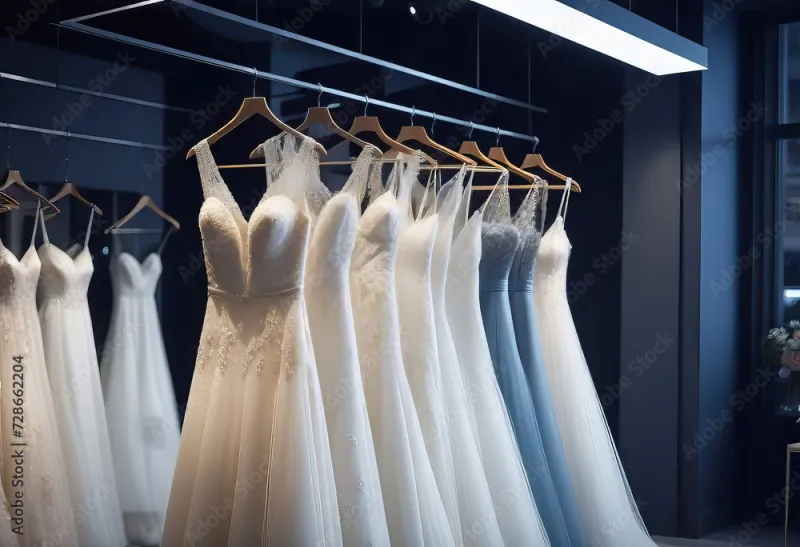
Photo: wedding dress hanging in consignment shop rack, via as1.ftcdn.net
The dress was a Zuhair Murad, or close enough that nobody in the room could tell the difference. It had already attended two weddings in Dearborn and one engagement party in Dearborn Heights before it reached Layla, a 27-year-old pharmacist in Troy, Michigan, who paid $900 for a gown that retailed for something north of six thousand.
"My mother cried when I told her," Layla says, laughing. "Then she cried again when she saw it on me. Different crying."
The Market Nobody Admits To
Ask around long enough and the numbers stop being anecdotes. In metro Detroit, Paterson, and parts of Chicago, a thriving resale circuit moves bridal couture through Arabic-language Facebook groups with names that translate, more or less, to "Wedding Dresses — Buy, Sell, Swap." Consignment shops on Warren Avenue keep racks of once-worn gowns in sizes that cluster suspiciously around the same four or five silhouettes. Sellers post photos, haggle in the comments, and arrange handoffs in mall parking lots with the discretion of people trading contraband.
What they are actually trading is a compromise. The traditional Arab American wedding — big, catered, debt-funded, and photographed as if the fate of the clan depended on it — has collided with a generation carrying student loans, $1,800 rents, and a social media feed full of weddings they cannot afford. The second-hand gown is where those pressures meet.
What the Grandmothers Said
It would be easy to frame this as rebellion. It is more accurate to call it negotiation. Many brides interviewed for this piece requested anonymity for fear that aunts would hear about it — not because wearing a pre-owned dress is shameful in itself, but because the wedding, in the old arithmetic, was never really about the bride. It was a statement to the community: we are doing well.
"The wedding was my parents' announcement," one Paterson bride says. "Now it's my balance sheet."
Yet the grandmothers, it turns out, are more flexible than their reputations. Several sellers describe mothers who wore the same dress to a cousin's wedding a decade apart, or who brought their own wedding gowns out of storage and listed them online. Frugality, after all, is not a foreign concept in households that emigrated with two suitcases. What has changed is the vocabulary. A gown bought used was once a favor; now it is sustainable, budget-conscious, smart.
Instagram Changed the Stakes
The pressure runs in both directions. The same platforms that make resale possible also inflate expectations. Brides describe photoshoots, multiple outfit changes, and engagement sessions that require their own wardrobe — a production schedule that would exhaust a small film crew. Against that backdrop, saving four thousand dollars on the gown is not stinginess. It is the only way to fund the rest of the show.
There is also a quieter logic at work. A dress that has been worn is a dress that has been proven — it survived a real wedding, a real dance floor, a real buffet table. Some buyers ask for photos from the previous event, studying them the way a mechanic studies a used car.
The Dress Keeps Moving
The most telling detail is what happens after. Brides routinely relist their gowns within weeks of the honeymoon, turning a $900 purchase into $600 back and passing the garment down the line. The dress becomes a small relay of strangers — Detroit to Dearborn to Toledo — each bride adjusting it, each seller writing the same caption: only worn once, like new.
It is tempting to read the whole thing as decline, a wedding tradition worn thin by economics. But stand in a consignment shop on Warren Avenue on a Saturday afternoon and it looks more like adaptation. The community still wants the wedding to be beautiful. It has simply stopped insisting that beautiful must mean new.
The grandmothers, one suspects, understand this better than anyone. They, too, made do. They just never put it on Facebook.