The Silence at the Kitchen Table: A Reckoning With the Arabic We Didn't Keep
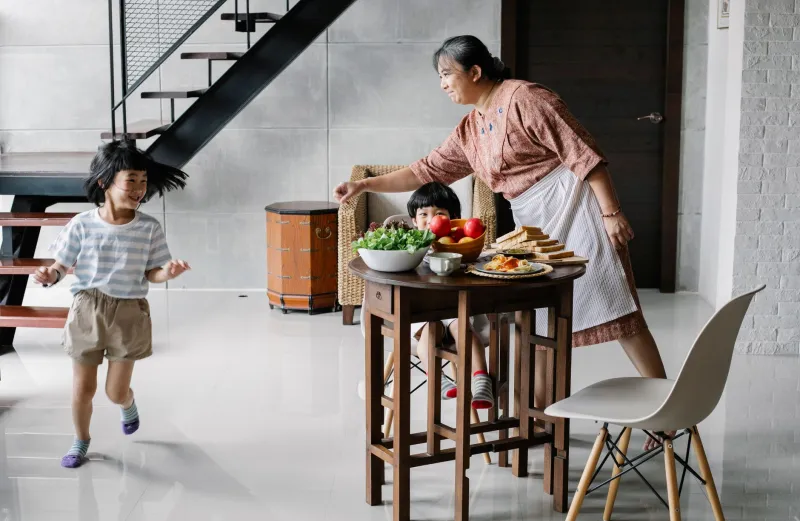
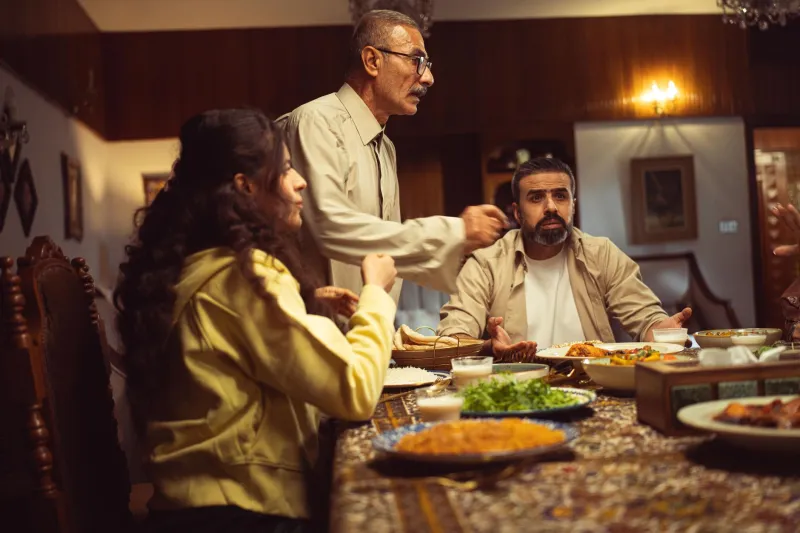
There is a particular loneliness that surfaces at family gatherings in third-generation Arab American households: a grandmother telling a story in animated Arabic, the grandchildren laughing along at the parts that need no translation, and the long pauses where meaning gets lost — patched over by an aunt's hurried summary or a phone's unreliable voice app.
It would be easy to file this under nostalgia. It should not be. The erosion of Arabic among American-born generations is routinely framed as a family matter, a soft ache of heritage. But language loss is a structural outcome, shaped by the same forces that shape any political question: schooling, labor markets, immigration policy, and the deliberate choices of institutions. Treating it as merely sentimental allows everyone off the hook.
The Arithmetic of Assimilation
The pattern is well documented among immigrant communities generally, and Arab Americans are no exception. The first generation speaks Arabic at home because it is the only language it has. The second generation is bilingual but English-dominant, schooled entirely in English, often encouraged — explicitly or not — to shed the accent. The third generation, in most families, receives a vocabulary: a few endearments, food terms, prayers half-remembered.
The arithmetic is unforgiving. Linguists estimate that without deliberate intergenerational transmission, a heritage language can fade substantially within three generations. Arabic faces added friction: its diglossia between Modern Standard Arabic and spoken dialects complicates classroom instruction, and geopolitical suspicion has, at various moments in American history, made Arabic fluency feel like a liability rather than an asset.
What the Grandchildren Cannot Hear
The loss is not abstract. Oral history — the texture of a village, the reasons a family left, the names of the dead — travels almost exclusively in the mother tongue. When it goes, the archive goes with it. Interviews with young Arab Americans repeatedly describe the same grief: understanding, only after a grandparent's death, how much had been said that they never comprehended.
A student in Chicago put it plainly in a conversation for this piece: "I know my grandmother's stories the way you know a movie you watched on mute. I have the plot. I don't have her voice."
The Counteroffensive
The response, encouragingly, has been collective rather than purely private. Weekend Arabic schools, long a fixture of mosques and community centers, are expanding and professionalizing. Universities with Arabic flagship programs report sustained demand. Language apps have added Levantine and Egyptian dialect tracks, acknowledging what learners actually want to speak. And a wave of grassroots digital archiving projects — families recording grandparents' oral histories, community organizations building translatable story repositories — is attempting to capture what the kitchen table no longer transmits.
These efforts matter, but they are remedial. Transmission works best when it happens early, at home, unremarkably. That requires more than apps. It requires schools that count Arabic fluency as an achievement, media that treat Arabic speakers as ordinary Americans rather than a subject of security curiosity, and a diaspora willing to accept the inconvenience of a bilingual household.
A Political Question, Deservedly
Critics will say no policy can make a family speak its language. True — but policy and public posture can stop punishing those who do. Funding for heritage-language education, recognition of Arabic-language media as part of the American press, and normalizing multilingualism in civic life would not force anyone to keep Arabic. They would simply stop making its loss the path of least resistance.
The grandmothers are still talking. The question is whether anyone will be left who understands them — and whether we will admit that this, too, is a matter of public consequence.