Recipes as Resistance: The WhatsApp Grandmothers Rewiring Diaspora Politics One Video at a Time
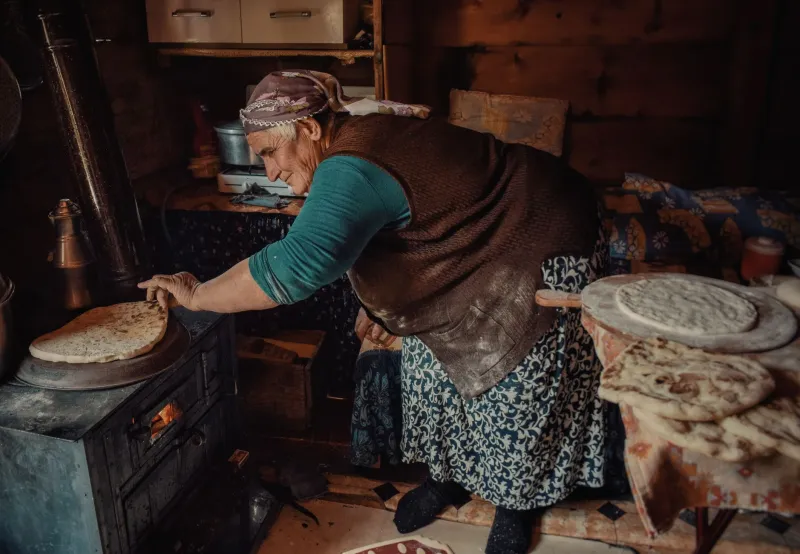
The most-watched political commentator in one Dearborn family is eighty-one years old, films in portrait mode, and has never once used the word 'politics.'
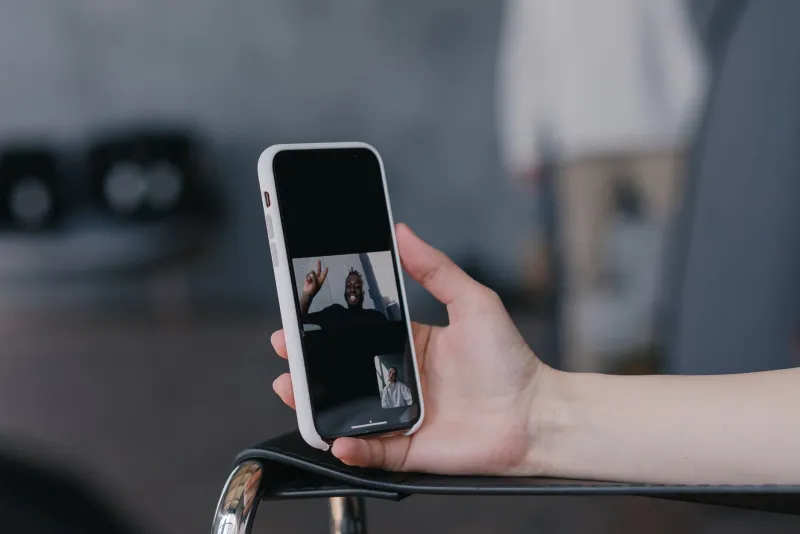
Every Sunday, Umm Samir stands her phone against a jar of sumac and narrates the making of kusa mahshi while her granddaughter, a nursing student in Michigan, records from the other side of a video call. The videos travel through family WhatsApp groups, then to YouTube, then to strangers. Along the way, they carry more than instructions for stuffing zucchini. They carry dialect, memory, and — if you know how to listen — a running commentary on everything from land loss to language loss.
The News That Arrives as a Recipe
Media scholars have a term for what Umm Samir is doing, even if she doesn't: 'vernacular media.' Dr. Lina Haddad, who studies diaspora communication at a Midwest university, puts it plainly. 'A news broadcast says, here is what happened. A grandmother's video says, here is what it meant, here is what it cost, and here is how we survived it anyway. The recipe is the delivery system.'
Consider what a single video can contain. The name of a dish, pronounced in a village dialect that standard Arabic broadcasts would flatten. A passing reference to an orchard that no longer exists. A joke about a checkpoint, delivered deadpan while folding grape leaves. None of it would survive an editor's review. All of it lands with second-generation viewers who scroll past headlines but stop for a fourteen-minute clip of someone's grandmother kneading dough.
'I learned more about my grandfather's village from one video about jibneh than from twenty years of family dinners where nobody explained anything,' says Rami, a thirty-year-old viewer in Chicago who now follows a dozen such channels. 'The food gives them permission to talk.'
Why the Kitchen Beats the Broadcast
There is a structural reason these videos outperform formal media in the diaspora. News from the Middle East arrives in the US pre-framed — by anchors, by chyrons, by the vocabulary of American foreign policy debate. It asks viewers to take sides. A cooking video asks them to take a seat.
That difference matters for a generation raised negotiating between two identities. The kitchen, unlike the cable panel, doesn't demand a position on the peace process. It offers something rarer: continuity. And continuity, scholars note, is itself a political act for communities whose histories have been contested, erased, or reduced to security briefings.
The dissent travels quietly, too. Several creators describe family members back home who use these videos — and the comment sections beneath them — to say things they would not say on the record. 'My aunt in Nablus will mention the price of olive oil, and what she means is the occupation,' one creator says. 'Everyone in the family understands. Everyone watching understands. That's the whole point.'
From Group Chats to Civic Life
The influence doesn't stop at the screen. Organizers in Arab American communities describe a pipeline: the grandmother's video circulates on Monday, and by Friday the same relatives who watched it are forwarding a fundraiser, a petition, a voter registration link. The recipe built the trust; the trust gets mobilized.
'We used to spend months building lists for a campaign,' says a community organizer in suburban Detroit. 'Now the teta's channel is the list. She has ten thousand people who feel like she's their aunt.'
There are limits, and the creators know them. These videos are not journalism. They can romanticize, they can omit, and they can flatten disagreement within families into a warm haze of shared heritage. Umm Samir's own grandchildren argue about whether her soft-pedaled nostalgia for the old country tells the whole story. 'It's not the whole story,' her granddaughter concedes. 'But it's the part nobody else was telling.'
The Quiet Diplomacy of the Everyday
Diplomacy, in the formal sense, happens in negotiating rooms. But between two countries — the one left and the one adopted — the real work of translation happens in kitchens, in group chats, in the accumulated weight of ordinary gestures passed across the ocean at 240 pixels wide.
The grandmothers filming with their phones propped against spice jars are not trying to shape foreign policy. They are trying to make sure someone remembers how it's done. That their viewers come away also knowing why the dialect sounds like that, why the orchard is gone, and why the dish matters — that is the diplomacy no embassy can replicate.
Umm Samir, asked what she hopes her viewers learn, considers the question the way she considers her dough: patiently. 'I want them to know it was real,' she says. 'The life. It was real, and it was good, and we made it ourselves.'